Behind Every Successful Event Is the Right Convention Center
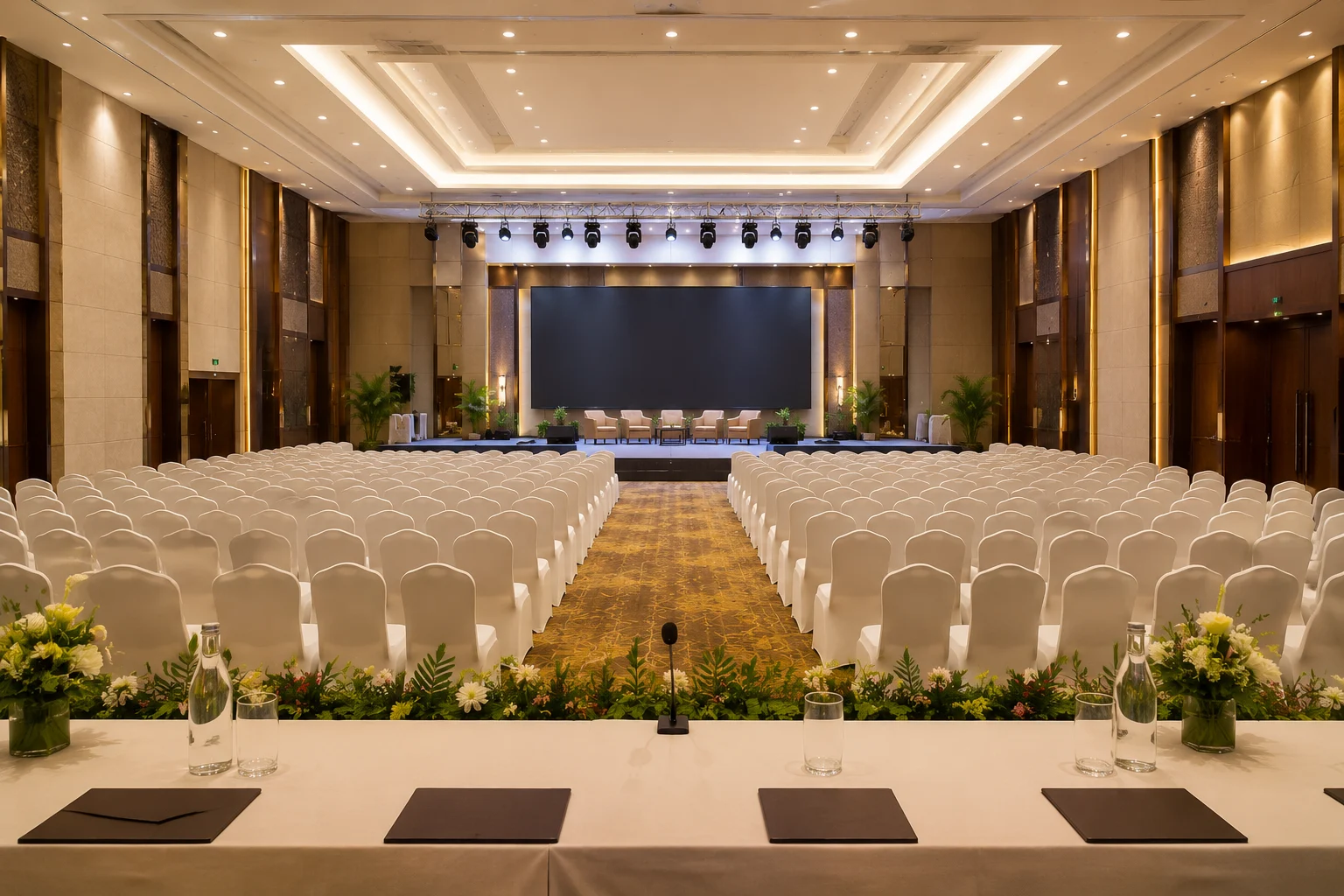
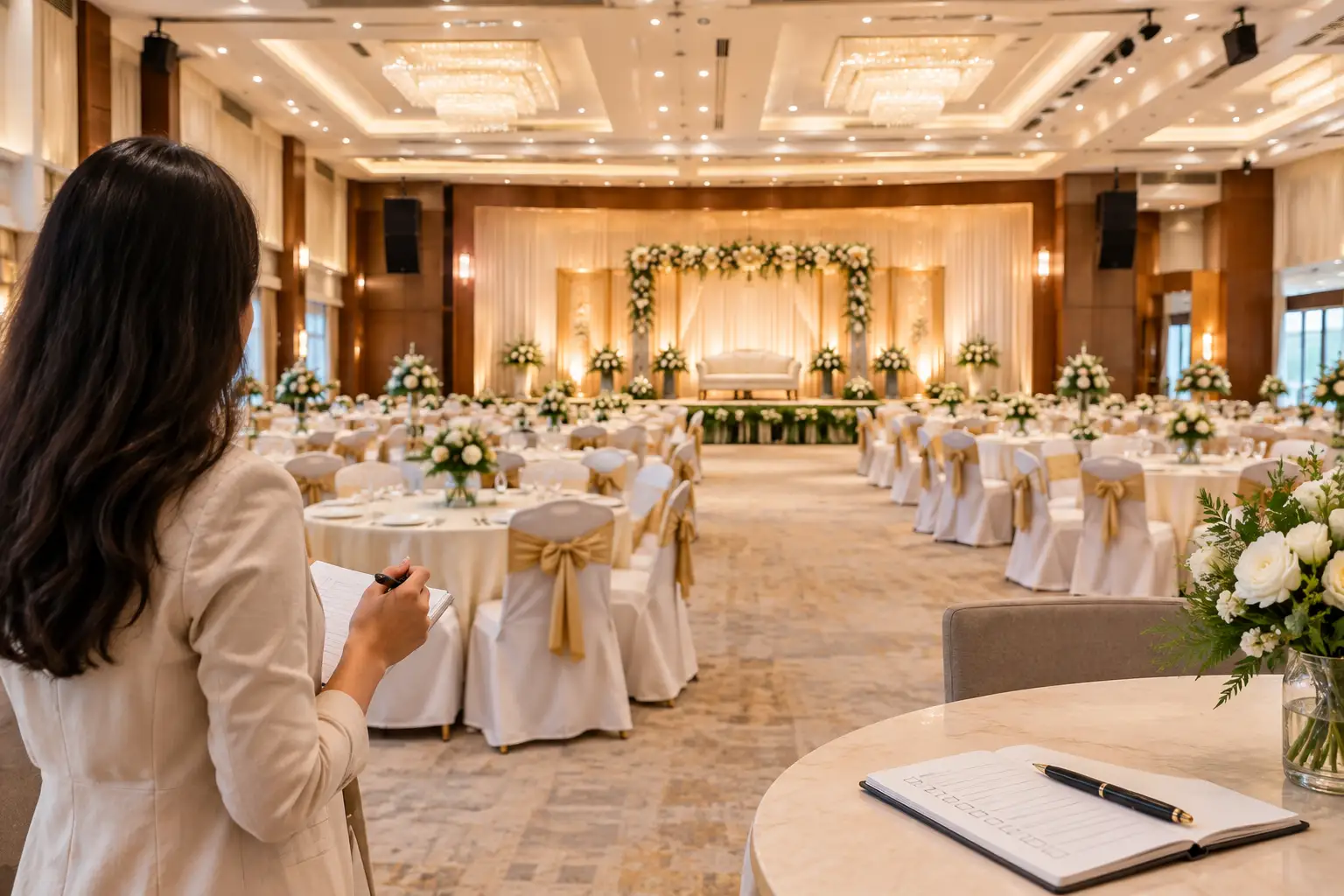
Venue selection ranks among the most important decisions in planning any professional event. Whether the occasion is a corporate conference, product launch, training program, or seminar, the venue influences attendee experience, engagement, and the overall success of the event. A poorly chosen venue can undermine even a well planned program, while the right setting strengthens every aspect of it. For organizations planning conferences, seminars, and corporate events in Thiruvalla, understanding what separates an average venue from an exceptional one can significantly influence the success of the event.
Expectations around event venues have also evolved. Today's attendees expect more than adequate seating and basic presentation facilities. Reliable connectivity, comfortable surroundings, professional infrastructure, and a well organized environment are now considered essential. Organizations often invest heavily in content and speakers but overlook the importance of venue selection, creating challenges that could have been avoided. Understanding the qualities that define an effective convention center is, therefore, a critical part of successful event planning.
Location and Accessibility
Where a venue is located matters more than it is sometimes acknowledged. Proximity to major roads, public transport, parking, and nearby accommodation simplifies the experience for attendees and makes the experience of getting there far less demanding. When participants can arrive without difficulty, their energy on arrival is directed toward the program rather than depleted by the journey.
For regional conferences, being close to rail links or primary road routes is a genuine logistical advantage that influences both turnout and delegate experience. Programs running across multiple days benefit further when hotels and restaurants are within easy reach, giving attendees flexibility and making the whole experience feel thoughtfully organized rather than an afterthought. Organizers who consider ease of access from the beginning tend to see more consistent attendance and fewer last minute dropouts.
Capacity, Layout & Flexibility
Choosing a venue purely on the basis of how many people it can hold is a mistake that occurs frequently in event planning. A hall that accommodates three hundred people can still be the wrong choice entirely if its setup does not suit what the program actually requires.
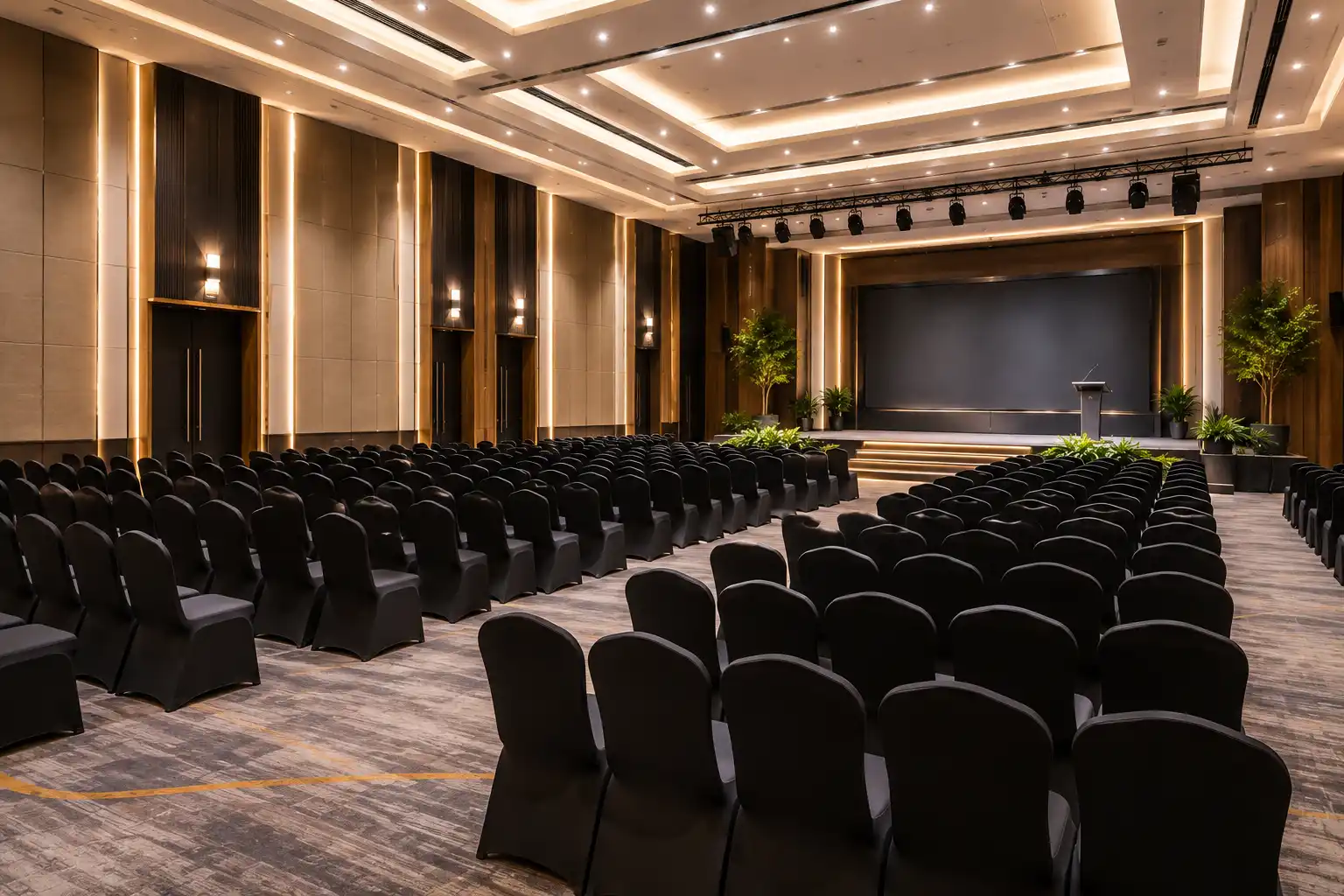
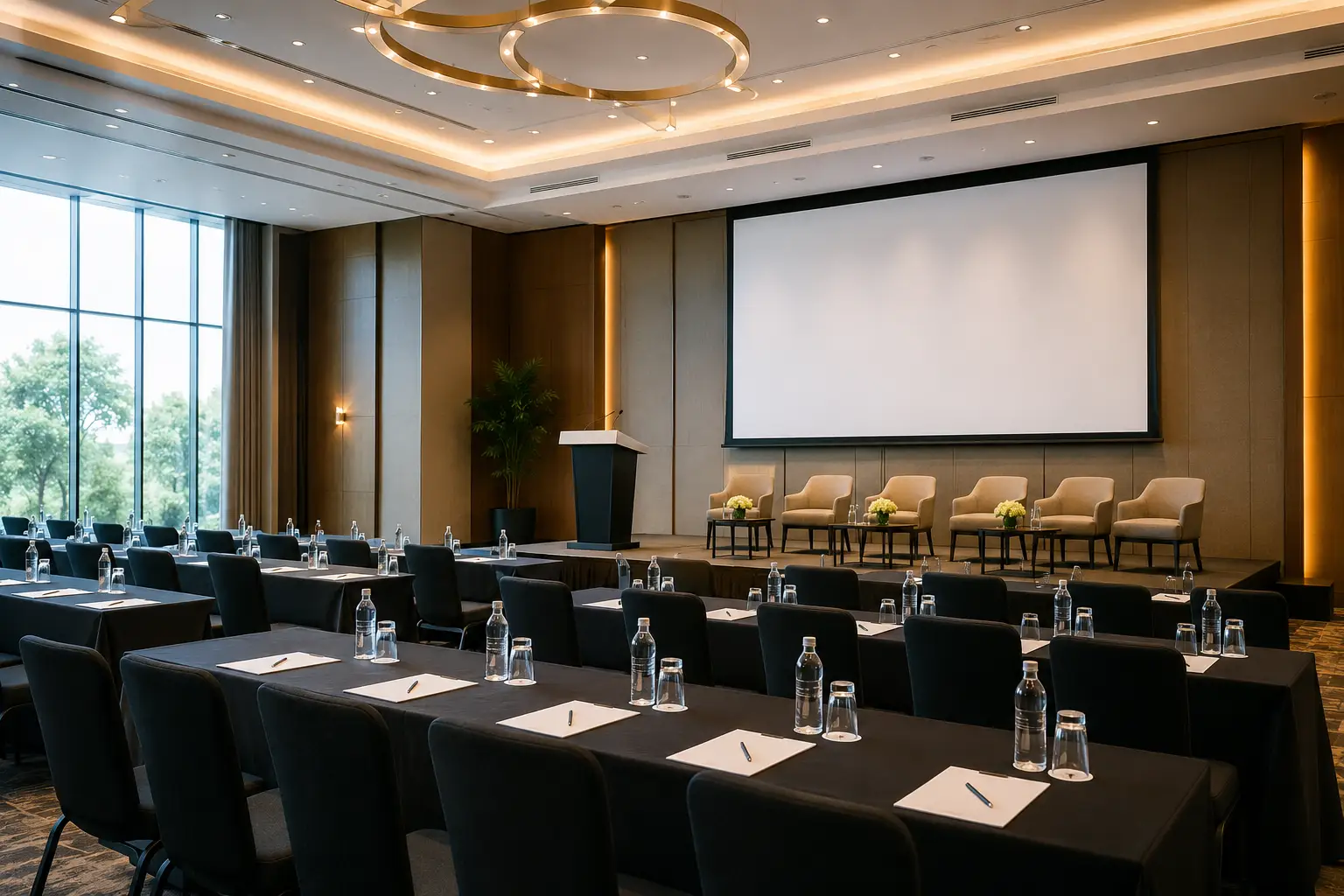
Panel discussions call for theatre style seating where focus naturally falls on those at the front. Workshops and training formats need classroom arrangements that make note taking and group activity practical. Networking sessions need open floor space, freedom of movement, and no rigid seating that disrupts natural conversation. A venue that struggles to shift between these setups without significant effort places the organizer in a situation where the program has to be shaped around the room rather than the room serving the program. Physically walking through each configuration during a site visit is rarely a wasted exercise.
Technology and Audio Visual Infrastructure
The technical setup of a venue has a direct and immediate effect on every presentation that takes place within it. Clear projection, dependable sound, wireless microphone availability, and fast broadband are not added extras. They are what professional events now require as a matter of course.
Hybrid formats, where one group attends in person while another joins remotely, increase the requirements further. There is limited ability to recover from technical failure mid program, and the damage to the event's credibility can be difficult to undo. A venue that has made genuine investment in its equipment and keeps technically competent staff on hand throughout the day is signaling something meaningful about how seriously it takes the events it hosts. Checking this in person during the site visit, rather than accepting written assurances, is worth the time.
Comfort, Ambiance, and Environmental Quality
How physically comfortable a space is has a real and measurable impact on how engaged participants remain. Seating that starts feeling uncomfortable within the first hour, lighting that is uneven or harsh, and poor ventilation all gradually reduce attention across the day, independent of how strong the content is. Temperature control, sound quality, and seating standards are practical requirements that directly affect outcomes.
How the space looks and feels on arrival also matters, often more than people openly acknowledge. The condition and presentation of a venue before anything has started already communicates something to attendees. A space that is clean, well maintained, and visually coherent reinforces the professionalism of the event and the organization behind it. That impression, once formed, is not easy to reverse.
Catering and Supporting Facilities
Catering tends to get underestimated right up until something fails. Breaks for meals and refreshments are not pauses in the program. They are when genuine networking happens, when people recover their energy, and when the less formal side of a professional event develops on its own terms. A venue that delivers well prepared food covering different dietary needs, on schedule, and in a setting where conversation continues naturally is contributing to the success of the day in ways that go beyond what appears on the agenda.
Breakout rooms, business support areas, well kept restrooms, and staff who remain present and attentive across the full day all lighten the organizational load considerably. These elements, taken together, give the event a coherence that participants retain, even if nothing specific stands out as the reason it felt well managed.
Service and Event Management Support
The people running a venue are consistently the most overlooked factor when making a selection. A well built facility delivers a certain standard. What elevates it further is the quality and professionalism of the team operating within it. Staff with real experience in event logistics can identify and resolve issues before they reach the attendees, handle vendor coordination without requiring organizer involvement, and maintain the schedule without needing to be directed at every turn.
A venue team that treats each booking as something deserving proper attention, rather than just processing it through, brings a quality to the day that no specification sheet accounts for. Their ability to assess what a particular event requires and respond to situations that deviate from the schedule is something that shows clearly in how the day runs from start to finish.
Selecting a Venue That Supports Event Success
Taken together, these factors make venue selection one of the most impactful decisions in the entire planning process. Location, layout adaptability, technical infrastructure, physical comfort, catering, and the quality of the service team each contribute to whether an event delivers what it set out to achieve.
For organizations in the region aiming to host professional events at a high standard, finding the best convention center in Thiruvalla means weighing all of these elements carefully rather than letting one factor dominate the decision. A venue that gets this right does not just provide a place for an event to happen. It becomes part of the reason the event works.
From wedding halls to party halls and conference rooms, MFGC Convention Center in Thiruvalla offers you the best venue for all your events. Contact us to book our venue today!
Phone: +91 9400909220